
2025–2026 Annual Report
From Our Leadership
Message from the Executive Director

This has been a year of profound momentum at the NYU McSilver Institute — one marked by the addition of new researchers whose scholarship is unparalleled. Together, they have expanded McSilver’s capacity, and produced the kind of rigorous, evidence-based research that drives meaningful change across communities.
After a national search, NYU McSilver announced the appointment of Dr. Fred M. Ssewamala as our inaugural Faculty Director. Dr. Ssewamala brings extensive experience in poverty and health-equity research, with a particular focus on youth and families both domestically and globally. His appointment represents not only the addition of an exceptional scholar, but the establishment of a true co-leadership model at McSilver. This new leadership structure that I, as Executive Director, and Dr. Ssewamala, as Faculty Director, are building together allows us to seamlessly bridge our collective institutional vision and scholarly depth enabling McSilver to move with greater agility and turn research insights into innovative practice and policy. Dr. Ssewamala was joined by Dr. Ozge Sensoy Bahar and Dr. Samuel Kizito; together, they bring a wealth of expertise and vision that expands our global reach, while continuing to strengthen our domestic footprint.
We have expanded the reach of our Technical Assistance Centers (TACs), led by Deputy Executive Director Dr. Andrew F. Cleek. The TACs provide training, consultation, and educational resources to practitioners in all behavioral health agencies in the state of New York, as well as perinatal, infant and early childhood mental health providers throughout New York City. In 2025, we secured more than $14.5 million in new and continued external funding, spanning federal, state, and city grants, foundation support, and public-private partnerships. One such partnership is a landmark two-year, $4.6 million grant from the New York State Office of Mental Health supporting the Psychiatric Rehabilitation Curriculum and Resource Development Project. This project will expand access to high-quality, evidence-based training and technical assistance for mental health providers across New York State.
The AI Hub at McSilver continued to provide cutting-edge thought leadership on the ways in which artificial intelligence can be harnessed to equitably address poverty, as well as the challenges it presents to marginalized groups and mental health concerns surrounding this relatively novel, unregulated technology. At the invitation of Assemblymember Emérita Torres, Dr. Kara Emery (Director of Data Science at the NYU McSilver AI Hub), and Chris Hemphill (NYU McSilver Fellow) presented at the SOMOS 2025 Conference, a major gathering in Puerto Rico that brings together New York City and Albany-based policymakers. Their work highlighted the ways in which community control of data can drive equity and empower Latino communities.
McSilver has continued to invest in amplifying our research through media and events, convening sector leaders who challenge and inspire one another. For one such initiative, designed to call attention to the alarming rates of maternal mortality, particularly among Black women, we partnered with the Greater New York Chapter of The Links, Inc. and AmeriHealth Caritas to launch an ambitious project: a video podcast called “After Birth, Aftercare, Afterthought: The Fourth Trimester” (debuting this fall). Recorded before a live audience at BRIC Arts Media, the event brought together health experts, birthing people with lived experience, leading personalities, advocates and policymakers for an examination of the crucial months after childbirth. Guest speakers identified solutions and strategies for creating better support systems during this vulnerable stage. The podcast was an outgrowth of our longstanding commitment to highlighting and reducing disparities in maternal healthcare outcomes, a commitment that is further demonstrated by the appointment of our inaugural Maternal and Reproductive Health Fellow, Dr. Damali M. Wilson (in partnership with NYU Langone Health’s Institute for Excellence in Health Equity).
The work outlined in this report reflects a McSilver that is rising to meet this moment — building on a legacy of impact and creating a future of possibility.
With gratitude and determination,
Rosemonde Pierre-Louis, JD
Executive Director, NYU McSilver Institute for Poverty Policy and Research
Message from the Faculty Director
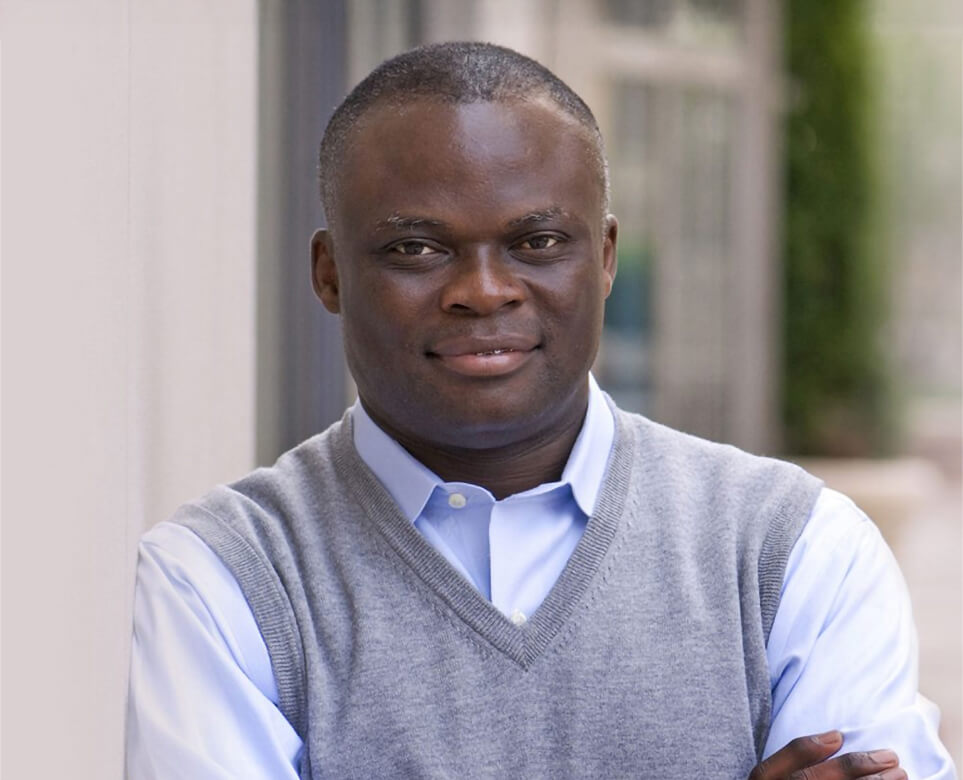
It is a privilege to write to you as the inaugural Faculty Director of the NYU McSilver Institute for Poverty Policy and Research. Since joining the Institute on July 1, 2025, I have been continually inspired by the depth of commitment I find here — to rigorous scholarship, to communities bearing the heaviest burdens of poverty and inequality, and to the understanding that research must translate into action.
I came to McSilver from Washington University in St. Louis, where I spent eight years on the faculty as the William E. Gordon Distinguished Professor. Before that, I was on the faculty at Columbia University in New York where I spent close to 15 years as a tenured full professor. Overall, my work, which spans over two decades, began at Columbia University, and it is centered on a single conviction: that the most effective interventions for youth and families living in poverty address mental and physical health, economic empowerment, and community resilience together, not in isolation. That conviction finds a natural home here. I bring with me a talented team whose work spans continents and disciplines, including Senior Research Scientists and Research Faculty Professors Dr. Ozge Sensoy Bahar and Dr. Samuel Kizito, as well as Research Director and Grants Administrator Amanda Erekson and Training Programs Manager Melissa Reyes. Program Manager Bethel Mandefro has expertly supported our transition to NYU.
We have spent years developing and testing interventions in some of the world’s most resource-constrained environments through the International Center for Child Health and Development and the SMART Africa Center. The lessons learned there have profound implications for communities here in New York and across the United States. I am excited about the bidirectional learning this global perspective makes possible, and about the new NIH-funded studies and training programs we are bringing into the McSilver ecosystem to develop the next generation of global child behavioral health researchers.
Abroad, McSilver’s reach continues to grow. This year, we formalized a partnership with Uganda’s Ministry of Health, and the NIH Fogarty International Center awarded $2.1 million to the ACHIEVE Training Program to build implementation and data science research capacity among early career researchers invested in addressing health disparities affecting children and families worldwide. In Ghana, the NIH also awarded $3.12 million to the Anzansi (Resilience) Project, led by Dr. Ozge Sensoy Bahar, to rigorously test family-based interventions for adolescent girls and evaluate their cost-effectiveness. Also crucial to our global research efforts is Dr. Samuel Kizito, a physician and epidemiologist who provides expertise in research design, biostatistics, and machine learning. Their collective work generates the kind of evidence that can move policy at scale, and strengthens McSilver’s leadership in developing and implementing programs that improve lives across global contexts. This influx of new projects and academic talent also further strengthens the vital, ongoing collaboration between the McSilver Institute and the NYU Silver School of Social Work.
During my first year, I’ve been most struck not by one single program or grant, but by the organization’s vibrant and ambitious culture. The Technical Assistance Centers. The AI Hub’s work on algorithmic equity. The education and equity roundtables supported by city partners. The podcasts that carry our research into public conversation. Our newly launched speaker series hosting top national scholars. All of these initiatives are evidence of an institution committed to the belief that knowledge without tangible reach is incomplete. I share that worldview deeply, and I look forward to building on it in the years ahead.
I am honored to be part of this community of scholars, practitioners, and advocates, and am deeply grateful to Dean Michael Lindsey, the Silver School faculty, and the dedicated McSilver staff for their support. Thank you for entrusting me with the honor of serving as McSilver’s inaugural Faculty Director. The challenges ahead are serious, but so is our collective resolve. I am confident that, together, we will continue advancing research, policy, and practice that improve the lives of children, families, and communities both here in New York and around the world.
With great enthusiasm for the work,

Fred M. Ssewamala, PhD
Faculty Director, NYU McSilver Institute for Poverty Policy and Research; and Constance and Martin Silver Professor of Poverty Studies, NYU Silver School
Who We Are
Our Mission

Established in 2007 through the visionary philanthropy of Dr. Constance McCatherin Silver — psychoanalyst, social worker, and New York University alumna — the McSilver Institute has grown into one of the nation’s foremost research and technical assistance centers working at the intersection of poverty, race, and health. McSilver recognizes the ways in which matters of race and poverty are connected, and is dedicated to dismantling structural racism and all forms of systemic oppression.
We collaborate with researchers, clinicians, community stakeholders, policymakers, practitioners, and service organizations to ensure our work is culturally and contextually appropriate. That knowledge is then rapidly translated into real-world practice and policy change. Our interdisciplinary team includes researchers, clinicians, data scientists, policy experts, and training specialists. They are united by a shared commitment to sustainable, measurable change for communities most impacted by poverty and inequality.
Policy & Initiatives
Advancing Policy for Vulnerable Communities
McSilver brings its research insights and thought leadership to policy priorities that affect those most impacted by poverty, structural racism, and health inequity. In 2025–2026, the Institute deepened its focus in four areas: maternal and perinatal health, online safety, democracy and civic engagement, and the ethics of artificial intelligence.
Maternal & Perinatal Health
Building on years of advocacy and research, McSilver continued to center maternal health and perinatal mental health as urgent policy imperatives. In February 2025, the Institute co-convened a Perinatal Mental Health Panel at the NYSABPRHAL Annual Legislative Conference in Albany, where clinicians and advocates presented evidence-based strategies to address disparities in Black maternal and perinatal outcomes.
In February 2025, McSilver was invited to participate in the joint public hearing sponsored by NY State Senator Lea Webb titled “An Examination of Maternal Mortality and Morbidity Rates in New York State,” a forum bringing together clinicians, policymakers, and community advocates to develop actionable recommendations addressing the disproportionate toll of maternal mortality on Black women in New York State. The Institute co-submitted testimony authored by NYU McSilver Executive Director Rose Pierre-Louis and Dr. Sascha James-Conterelli and Dr. Dilice Robertson, two leading voices in perinatal health at NYU Rory Meyers College of Nursing, about the barriers to prenatal and postpartum care, especially with regard to reducing maternal mortality.
In October 2025, written testimony was also provided to the New York City Council’s Committee on Hospitals and the Committee on Women and Gender Equity urging concrete steps to improve maternal health outcomes in the city. Authored by Dr. Damali M. Wilson, Maternal Health Equity Fellow at the NYU McSilver and NYU Langone Health IEHE; Rose Pierre-Louis, Executive Director at the NYU McSilver Institute for Poverty Policy and Research; and Dr. Natasha Williams, Associate Professor at NYU Langone Health’s Institute for Excellence in Health Equity, this testimony brought the latest evidence surrounding the urgent crisis of pregnancy-associated deaths to three resolutions (Res 1086, 1087, 1082) designed to enhance reporting of adverse health events during or after pregnancy. The City Council passed the resolutions on October 29, 2025.
In addition to these legislative successes, the Joint McSilver–NYU Langone Institute for Excellence in Health Equity Fellow, Dr. Damali M. Wilson, continued to advance a body of work focused on perinatal behavioral health workforce needs, including the publication of an article in Behavioral Health News co-authored with Rose Pierre-Louis and Dr. Natasha Williams exploring the workforce gaps affecting vulnerable communities.

The McSilver Institute also partnered with AmeriHealth Caritas and the Greater New York Chapter of The Links, Inc. to produce a live video podcast titled “After Birth, Aftercare, Afterthought: The Fourth Trimester” in May 2026. The goal of the podcast is to build stronger, more responsive support systems for new mothers. Award-winning journalist Julee Wilson hosted the two-part recording session that brought together a distinguished group of speakers from around the country — maternal health experts, advocates, individuals with lived experience, and policymakers — to discuss postpartum wellness and mental health, warning signs, family advocacy, and policy. The two episodes of the podcast, currently in post-production, will be packed with practical advice and innovative solutions.
SOMOS 2025
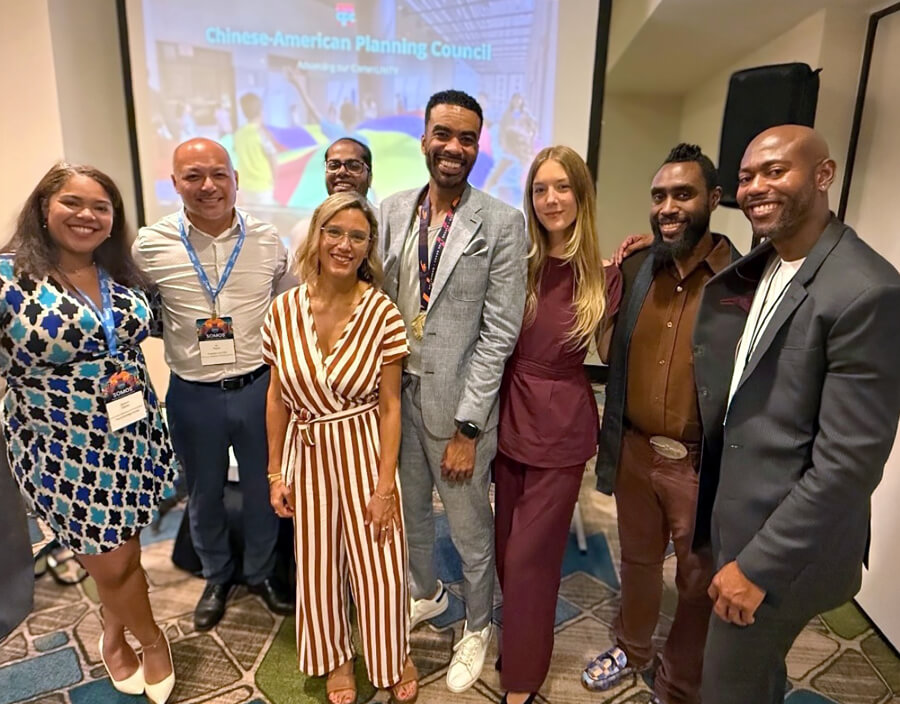
The McSilver AI Hub led and participated in local and national conversations about artificial intelligence regulation, algorithmic accountability, and inclusive system design. At the November 2025 SOMOS Conference in San Juan, Puerto Rico, McSilver co-hosted “Reclaiming the Algorithm: Community Power in Data and AI” alongside Assemblymember Emérita Torres, examining how communities most affected by algorithmic decision-making can claim a seat in the governance process.
Ranked-Choice Voting & Civic Engagement
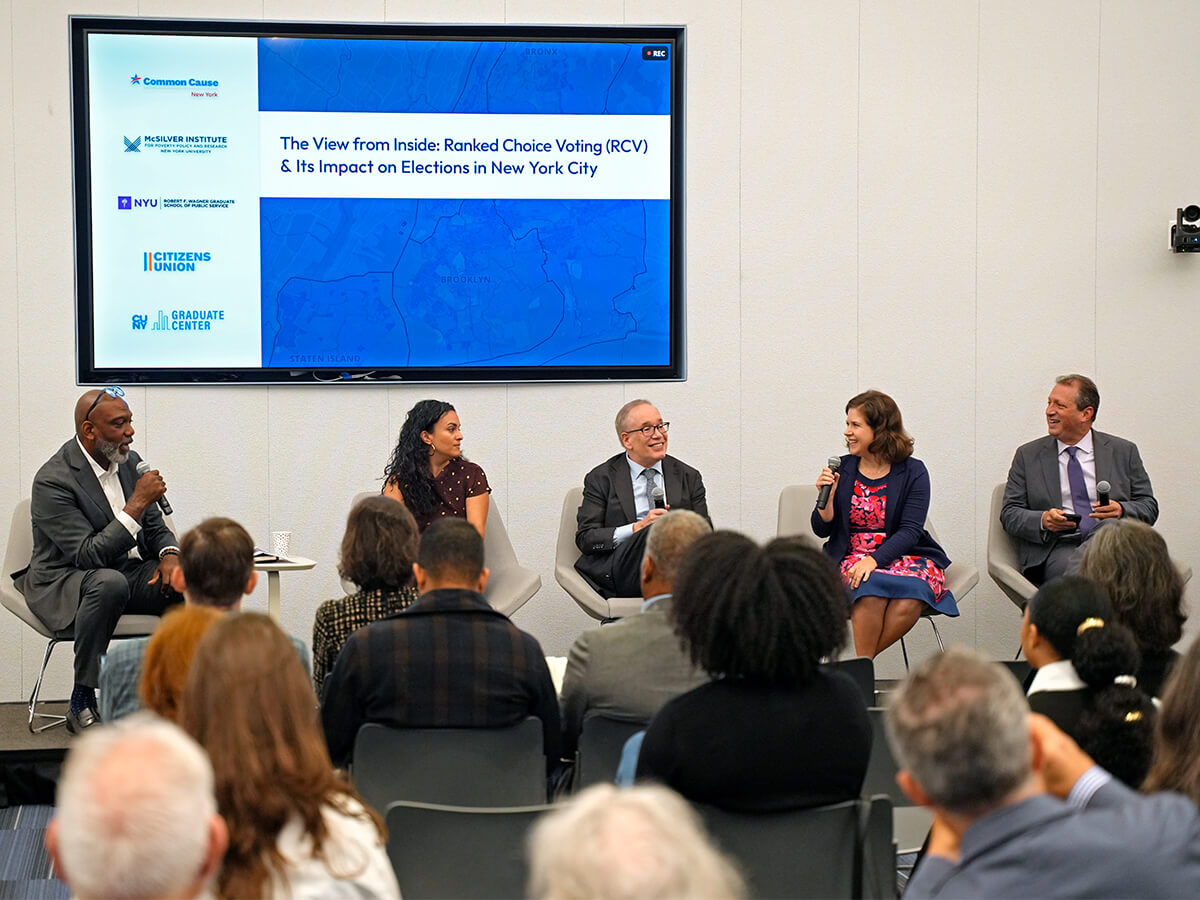
McSilver continued to promote awareness of ranked-choice voting (RCV) as a tool for more representative democracy, hosting a panel in September 2025 to discuss the policy implications, community impact, and voter education needs surrounding its use in New York City elections. The forum was sponsored by Rank The Vote NYC, NYU Wagner Graduate School of Public Service and NYU McSilver Institute. NYU McSilver Executive Director Rose Pierre-Louis and NYU Wagner Dean Polly Trottenberg introduced the panel, which included former NYC Comptrollers Brad Lander and Scott Stringer.
McSilver Fellows-in-Residence
The McSilver Fellowship-in-Residence engages nationally recognized thought leaders to conduct research, participate in policy forums, and extend the Institute’s reach across disciplines. In 2025–2026:

Penny Abeywardena, a longtime civic leader and international affairs expert, expanded the Institute’s public engagement on power, equity, and social change through her writing and the launch of “Power Play: Soft Power Unpacked,” a podcast examining how individuals shape outcomes through trust, persuasion, and shared purpose. While historically associated with foreign policy, Abeywardena reframes soft power as a vital tool for individuals and communities confronting inequality. Through conversations with leaders including United Nations Deputy Secretary-General Amina J. Mohammed and philanthropist Diane von Furstenberg, she illustrates that narrative, trust, and collective action are not secondary to systems change; they are among the ways communities long excluded from formal power build voice, legitimacy, and the capacity to shape their futures.
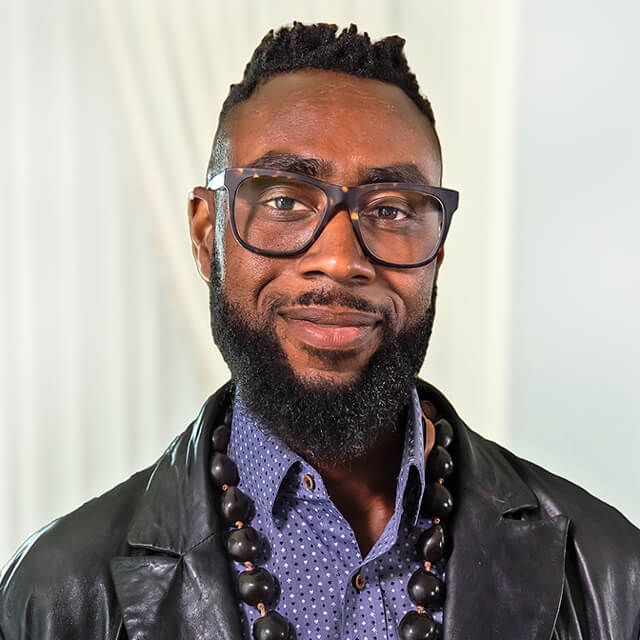
Chris Hemphill, a healthcare data scientist and AI strategist, formalized a partnership with the AI Hub and participated in the “Reclaiming the Algorithm” panel at the SOMOS conference. Their work is focused on driving ethical and effective decisions with AI and algorithms in the healthcare sector.
“Reclaim the Algorithm” is an ongoing conversation, through online events and social sharing, challenging leaders to drop the hype around AI and adopt a community-centered approach. This has led to collaboration with the NAACP, BetaNYC, and other institutions while attracting hundreds of attendees to rethink the current narrative around AI.

Cathy Nonas is an advocate for policies and practices that address health equity and nutrition. Since 2018, Nonas has been the CEO of Meals For Good, a 501(c)(3) public charity that operates with a dual mission: to support underfunded food pantries with grants for fresh produce, and to supply the missing groceries that families facing food insecurity want and need.
What happens when families who are food insecure receive money to buy their own food? McSilver’s AI Hub is working with Meals for Good to develop the first AI-powered platform that automates the transformation of food purchasing data into research-ready insights for government agencies. With this platform, program administrators and policymakers will be able to use these purchasing insights to design more effective food access initiatives that reflect the real needs of communities.
Research
Expanding the Knowledge Base for Equity
McSilver’s research is guided by an understanding of the interconnection between individuals, families, communities and their external environments, as well as the interrelatedness of race, gender, and poverty. Our scholarship spans behavioral health, global child and adolescent health, poverty economics, AI-driven data science, and maternal health. The work is rooted in the broader goal of translating evidence into action.
WeCare: Innovative Suicide Prevention for Black Youth
The WeCare project implements and evaluates a system of care for Black youth that integrates suicide risk screening with a connection intervention to link at-risk youth to quality mental health services. Funded by a $5.8 million R01 grant from the National Institute of Mental Health, WeCare is active at Harlem Hospital and Kings County Hospital Center in New York City. In 2025–2026, the AI Hub extended this work by developing a Suicide Risk Dashboard, presented as a poster at the Tech Venture Summit, demonstrating how machine learning can help providers identify and respond to risk more effectively.
CHAMP Center: Causal Data Science & Child Maltreatment Prevention
The Center on Causal Data Science for Child and Adolescent Maltreatment Prevention (CHAMP), a collaboration between the NYU Grossman School of Medicine, NYU Silver School, the McSilver Institute, and the University of Minnesota, continued its work using causal modeling to understand factors leading to child maltreatment and targeted interventions to reduce risk. The Center’s interdisciplinary approach, integrating behavioral health science with state-of-the-art data methods, positions McSilver at the forefront of prevention science.
Safe Mothers, Safe Children (SMSC)
The SMSC project supports women and families navigating the child welfare system through a trauma-informed therapeutic model that has demonstrated strong effectiveness in reducing PTSD symptoms and restoring mother-child bonds. In 2025–2026, the project established a new referral partnership with the Jewish Board of Family and Children’s Services (JBFCS) and expanded operations and recruitment at the Children’s Aid Staten Island location, broadening the program’s reach across New York City.
The AI Hub
Created with support from Martin Silver and Dr. Constance McCatherin Silver, the AI Hub investigates how artificial intelligence can equitably address poverty and advance health equity. Dr. Kara Emery, AI Hub Director of Data Science, and the AI Hub team have continued to build McSilver’s national profile as thought leaders on responsible AI.
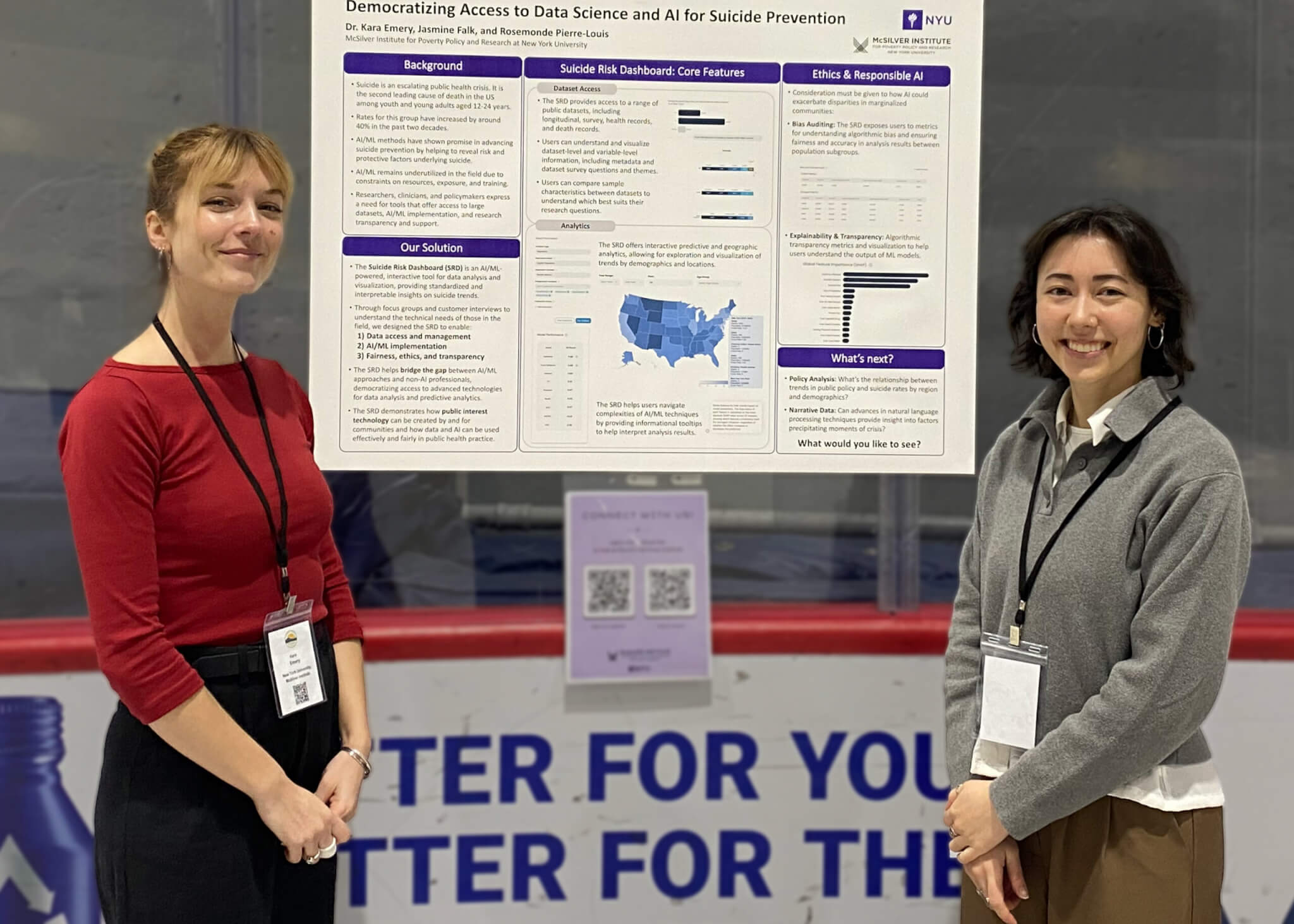
Over 2025–2026, the AI Hub published, presented, and developed original work exploring how cutting-edge AI and data science can be applied more ethically in research, technology, and policy. This included publications in the Journal of the American Academy of Child & Adolescent Psychiatry and presentations at leading conferences — the American Foundation for Suicide Prevention Suicide Research Symposium and the International Summit on Suicide Research — on applying causal inference methodologies to youth suicide prevention. The AI Hub is also building the Suicide Risk Dashboard (SRD), an AI-powered tool that will democratize access to AI and data science for researchers, practitioners, and policymakers working in suicide prevention. The team presented the SRD at the NYC Public Interest Technology Pop-up at the Oculus World Trade Center and the NYS Public Health Partnership Conference. Additionally, the AI Hub is developing a tool that automates the analysis of food purchasing behavior to help design more effective, community-responsive food assistance programs. Taken together, this work contributes to timely conversations about how AI and data science can be a force for good when applied responsibly.
On November 13, 2025, McSilver co-organized a Mini-Conference on AI and Poverty with the C+M Silver Center on Data Science and Social Equity and the NYU Silver School of Social Work, bringing together early- and mid-career scholars, practitioners, and AI researchers for two keynote addresses and panel presentations examining how AI systems can either perpetuate or help dismantle poverty.
On April 30, 2026, the AI Hub co-sponsored “Reclaiming the Algorithm: What W.E.B. Du Bois Knew That AI Still Doesn’t: A Masterclass in Data Strategy and Ethics,” continuing this work domestically with a convening on community-centered AI design and oversight.
International Center for Child Health and Development (ICHAD)
Led by Faculty Director Dr. Fred M. Ssewamala, ICHAD continued its landmark two-decade program of research on poverty, HIV, and child well-being in Sub-Saharan Africa. The year’s research output included multiple peer-reviewed publications on HIV adherence, economic empowerment, adolescent mental health, and gender (see the Publications section for the full list). ICHAD’s work provides the research foundation for McSilver’s growing partnership with the Ugandan Ministry of Health.
Program Evaluation
McSilver’s evaluation team took on three new contracts in 2025–2026: a data project for the Office of the District Attorney, New York County, identifying and mapping mental health programs available in Manhattan and New York City; a partnership with the New York Alliance for Inclusion & Innovation as the evaluation partner for the Mother Cabrini Health Foundation’s Enabling Technology Pilot (I-TAP), which tests technology as a primary support tool for individuals with intellectual or developmental disabilities; and an evaluation partnership with SoulPaws Recovery Project, which unleashes the therapeutic power of the human-animal connection to support individuals with eating and other regulatory disorders through evidence-informed animal-assisted interventions.
Training & Technical Assistance
Elevating the Standard of Care Across New York
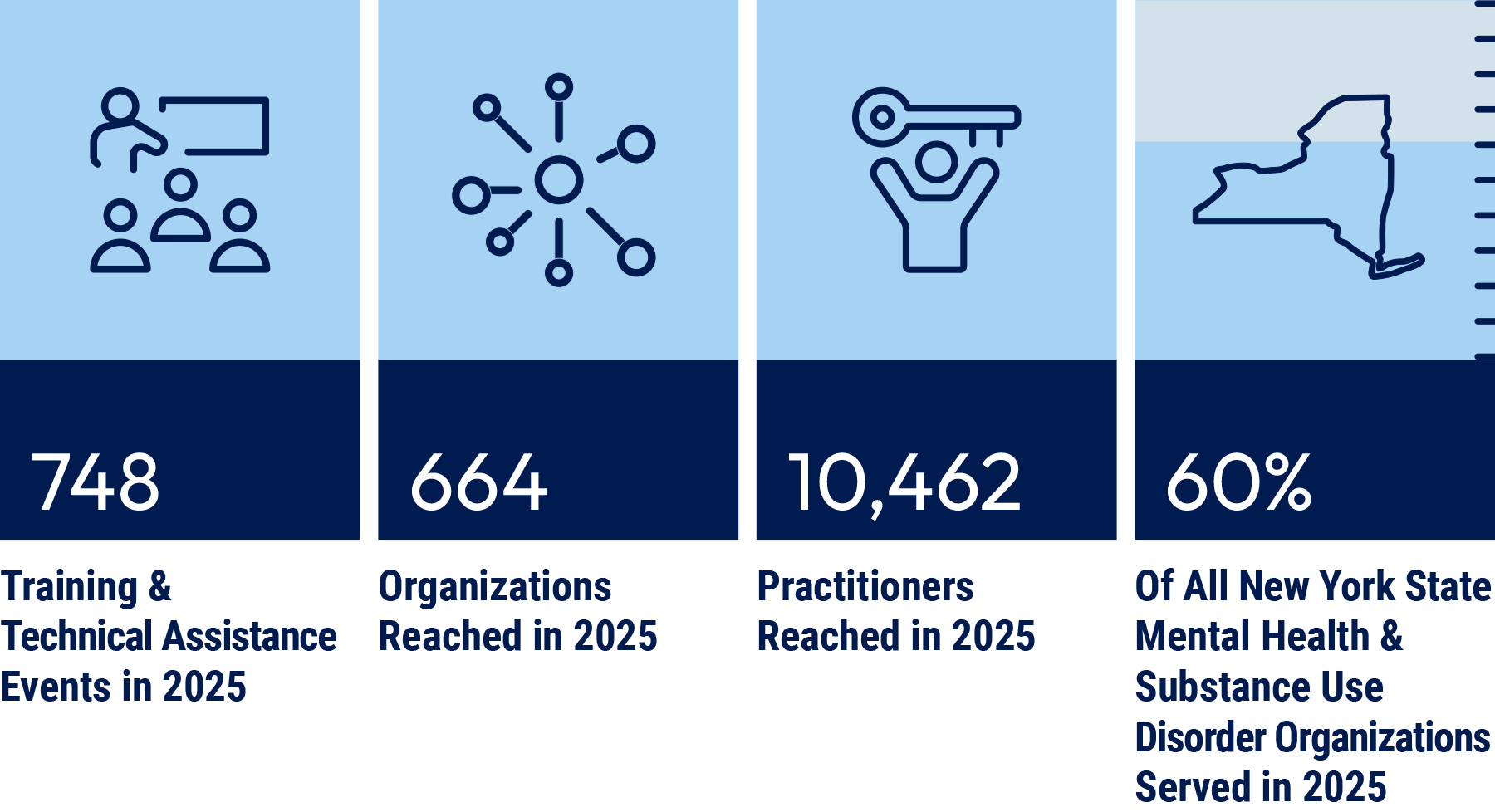
The McSilver Institute is the leading provider of training and technical assistance for all mental health and substance use disorder agencies in New York State, as well as infant and early childhood mental health providers throughout New York City. A significant milestone in 2025–2026 was the launch of mcsilverta.org in August 2025 — a unified digital platform bringing together CTAC, MCTAC, CWE, and YTAC in a single, user-friendly resource with personalized dashboards and cohort-specific access.
Community Technical Assistance Center (CTAC)
CTAC offers high-quality, free, and accessible training and educational resources to all youth- and family-serving mental and behavioral health providers in New York State. In 2025–2026, CTAC’s programming focused on several high-priority areas:
Strengthening Trauma Awareness and Resiliency Skills (STARS)
A virtual training series led by Dr. James Rodriguez and Jacqueline Garlock in July 2025, offering mental health providers practical strategies grounded in trauma-informed care principles for work with children, youth, and families.
AFFIRM Youth
CTAC partnered with AFFIRMATIVE Research to offer the AFFIRM Youth Community of Practice for LGBTQ+ youth providers, delivering an evidence-based, affirmative cognitive-behavioral group intervention shown to be efficacious across multiple settings.
SPIRIT-ID/A
In partnership with Drexel University, CTAC launched a training model for clinicians working with youth and adults with Autism Spectrum Disorder and/or intellectual disability (ID) who have co-occurring mental health conditions, grounded in cognitive behavioral therapy and neurodiversity-affirming approaches.
Crisis Prevention & De-escalation Certificate Course
A November 2025 training series led by Jacqueline Garlock and Nicole Lee, addressing one of the most challenging aspects of direct behavioral health practice.
Learning to Love Groups
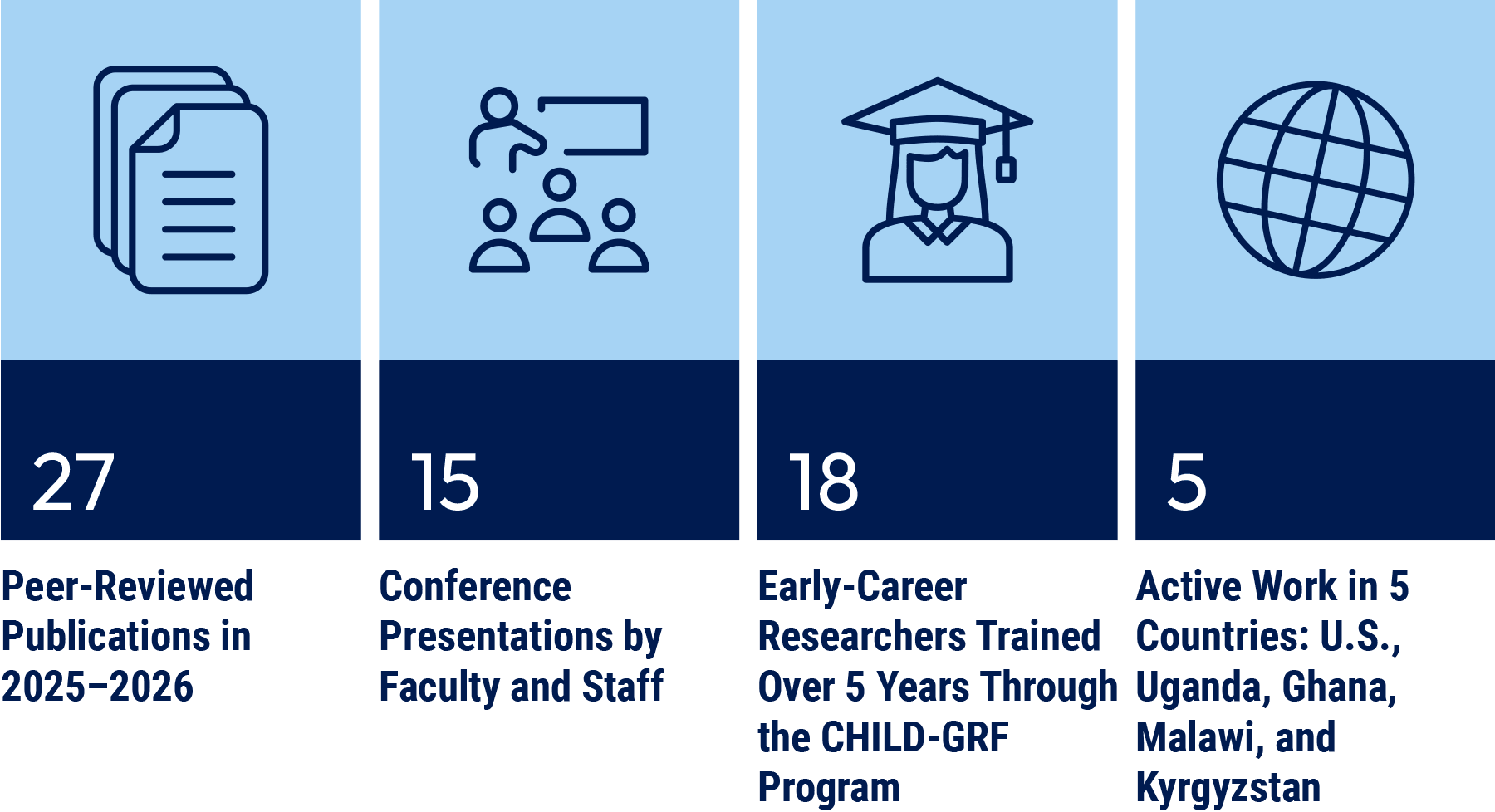
A statewide training on best practices in group facilitation in mental health clinics, reaching 1,000 providers across New York State.
Mental Health Moment: Food Insecurity as Toxic Stress
A December 2025 webinar featuring Dr. Cindy Leung of the Harvard T.H. Chan School of Public Health, connecting food insecurity to mental health outcomes among youth.
CTAC also provided internal training series to individual organizations including Greenwich House (Person-Centered Care and Documentation), FPWA (Best Practices for Reflective Supervision), and URI Leadership Training.
Center for Workforce Excellence (CWE)
The CWE continued its mission of supporting New York State clinicians serving youth and families through training and certification in evidence-based practices. A major development in 2025–2026 was the transfer of EBTDC (Evidence-Based Treatment Dissemination Center) operations to CWE, with the MAP (Multi-faceted Accountability Protocol) now offered through CWE’s statewide platform, expanding the footprint of evidence-based practice training across New York.
The Governor’s 2026 State of the State prioritized ensuring all child-serving clinicians in New York’s OMH settings are trained in evidence-based practices — a direct policy signal validating McSilver’s CWE investments. OMH was directed to develop a 10-year training roadmap, positioning CWE for a central role in its implementation.
CWE also contributed a significant research publication: a scoping review of state-sponsored mental health training programs for children and youth. Published in Children and Youth Services Review, it provides evidence-based guidance for practitioners in the field.
Managed Care Technical Assistance Center (MCTAC)
MCTAC continued to support behavioral health providers navigating New York’s Medicaid landscape. A key area of focus remained the expansion of Certified Community Behavioral Health Clinics (CCBHCs) in partnership with OMH and OASAS. In November 2025, MCTAC co-hosted a panel on “AI in Behavioral Health.” Led by Chiara Calov, the conversation reflected the sector’s growing need to understand and apply AI tools responsibly in clinical and administrative settings.
YouthACT Technical Assistance Center (YTAC)
YTAC works directly with OMH to support intensive, community-based Youth Assertive Community Treatment teams across New York State, helping young people with significant mental health challenges remain with their families and communities rather than entering residential or inpatient care.
NYC Early Childhood Mental Health Training & Technical Assistance Center (TTAC)
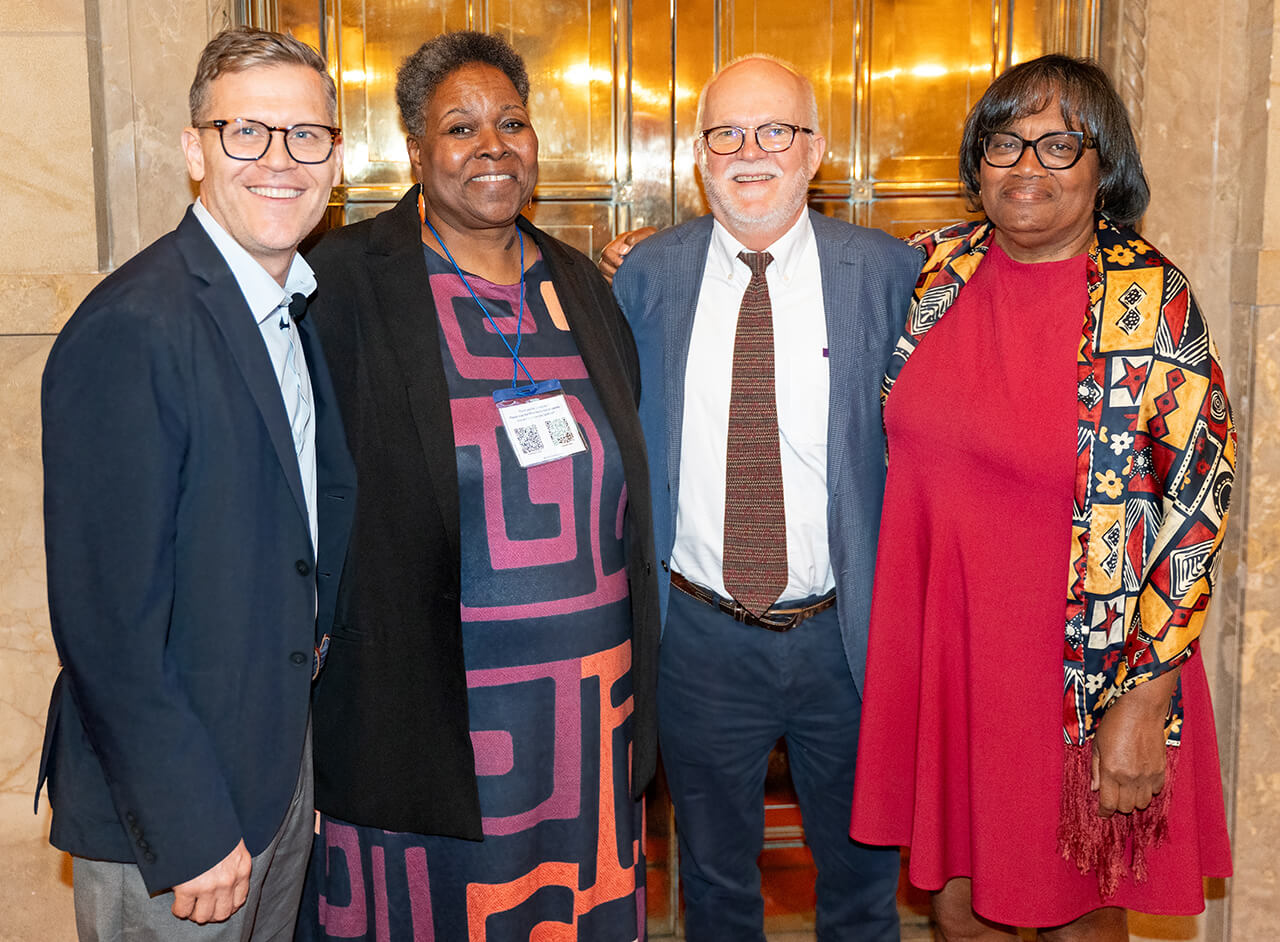
TTAC’s work in 2025–2026 marked significant expansion in scope and impact. A landmark development was the launch of the ACS-funded Strong Foundations project, extending TTAC’s reach to support child welfare-involved families — a population disproportionately composed of Black and brown children and families with young children. This was achieved in partnership with the NYC Administration for Children’s Services.
TTAC’s Annual Conferences anchored the year’s convenings:
June 2025: The conference integrated two vital fields, perinatal mental health and substance use disorder treatment, recognizing that supporting recovery and nurturing the parent-infant relationship are mutually reinforcing goals.
June 2026: The conference focused on young children in the child welfare system, bringing together clinical, research, and policy perspectives on prevention, family support, and reducing harmful attachment disruptions. The focus on infants and toddlers — disproportionately represented in the child welfare system, with racial disparities that are even more pronounced for Black and brown children — reflected the urgency and equity dimensions of TTAC’s mission.
In October 2025, TTAC hosted its Inaugural Resource Fair, a one-stop networking event connecting perinatal and early childhood service providers from across all five boroughs with programs, resources, and colleagues. The event also included participation from representatives of the Perinatal and Early Childhood Mental Health Clinics network.
Peer Support Services Technical Assistance Center (PeerTAC)
PeerTAC continued to expand peer support within New York’s mental health service system in partnership with OMH and Rutgers University. The center provided training and consultation to over a thousand mental health providers and peer advocates statewide, with a major focus in 2025 on adding peer support to MHOTRS clinical services. PeerTAC’s learning collaborative brought together 19 clinics for a five-month intensive training cycle.
Due to federal funding cuts, PeerTAC is now inactive. However, resources generated by PeerTAC remain available online, and New York remains committed to the inclusion of peer support services in mental health settings.
Psychiatric Rehabilitation Resource Library (PRRL)
PRRL is a new statewide initiative of the New York State Office of Mental Health, led by the McSilver Institute in partnership with the Alliance for Rights and Recovery, the Center for Practice Innovations, and InUnity Alliance. PRRL expands access to high-quality, evidence-based psychiatric rehabilitation curricula, training, and resources for providers across New York State, a significant new platform for extending McSilver’s reach.
Supporting Community-Based Organizations Nationally
In partnership with the Center for Health Care Strategies (CHCS), McSilver is supporting Wisconsin Community Based Organizations and Michigan Syringe Services Programs in building Medicaid billing capacity for substance use disorder and harm reduction services, bringing McSilver’s expertise in sustainable financing to organizations beyond New York State.
Global Impact
Advancing Global Child Health: Uganda & Beyond
McSilver’s commitment to disrupting generational poverty extends across borders. Faculty Director Dr. Fred M. Ssewamala has led a decades-long program of rigorous research on child well-being, HIV, and family economic empowerment in Sub-Saharan Africa — work that in 2025–2026 reached a new milestone with a historic government partnership.
Memorandum of Understanding with Uganda’s Ministry of Health
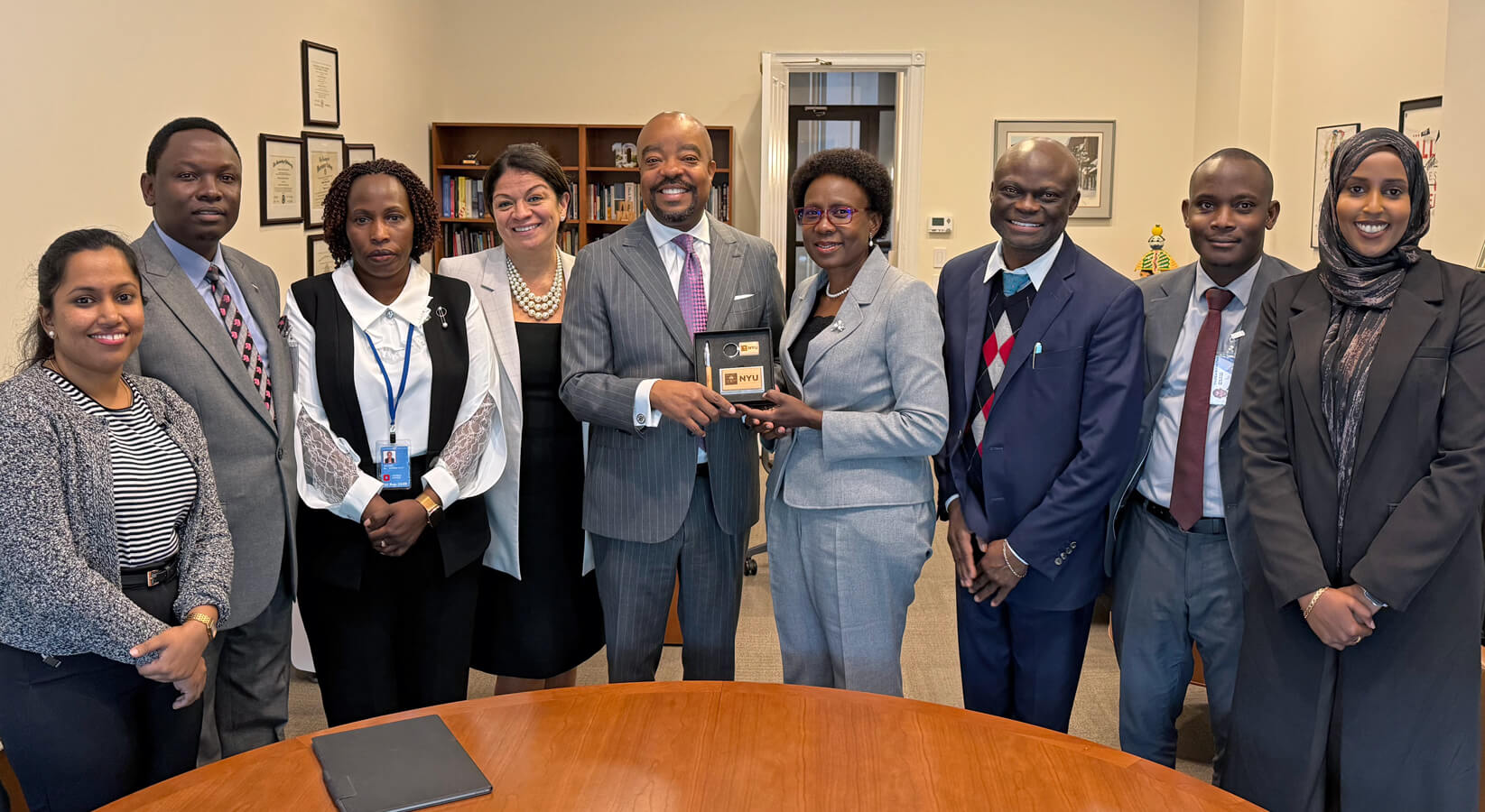
On December 5, 2025, NYU Silver School Dean Michael A. Lindsey and Uganda’s Under Secretary of Health Kenneth Akiiri signed a landmark memorandum of understanding, formalizing a partnership between the McSilver Institute and the Ugandan Ministry of Health. The signing followed a series of high-level meetings convened by Dr. Ssewamala with Uganda’s Minister of Health, Dr. Jane Ruth Aceng Ocero, and delegations from both institutions.
The partnership is focused on advancing evidence-based research, informing national policy on child survival and health, and supporting Uganda’s implementation of the National Child Policy 2020. It builds on the longstanding foundation of McSilver’s International Center for Child Health and Development (ICHAD) and positions the Institute as a leading global partner in sub-Saharan African child health policy.
CHILD-GRF Training Program: Closeout & Legacy
The CHILD-GRF D43 Training Program — funded by Fogarty International Center at NIH and led by Dr. Ssewamala in collaboration with Dr. Mary McKay (Washington University in St. Louis) and Noeline Nakasujja (Makerere University) — concluded after five years of intensive global research training. A celebration and closeout meeting was held at the Sheraton Hotel in Kampala on December 5, 2025, attended by alumni, mentors, policymakers, and representatives from Makerere University, Mbarara University of Science and Technology, and the Ugandan Ministry of Health.
Over five years, the program trained 18 early-career researchers focused on HIV and mental health in Uganda, building a generation of scholars who will continue to advance evidence-based approaches to child and adolescent health in the region.
ACHIEVE Training Program: Visiting Scholars
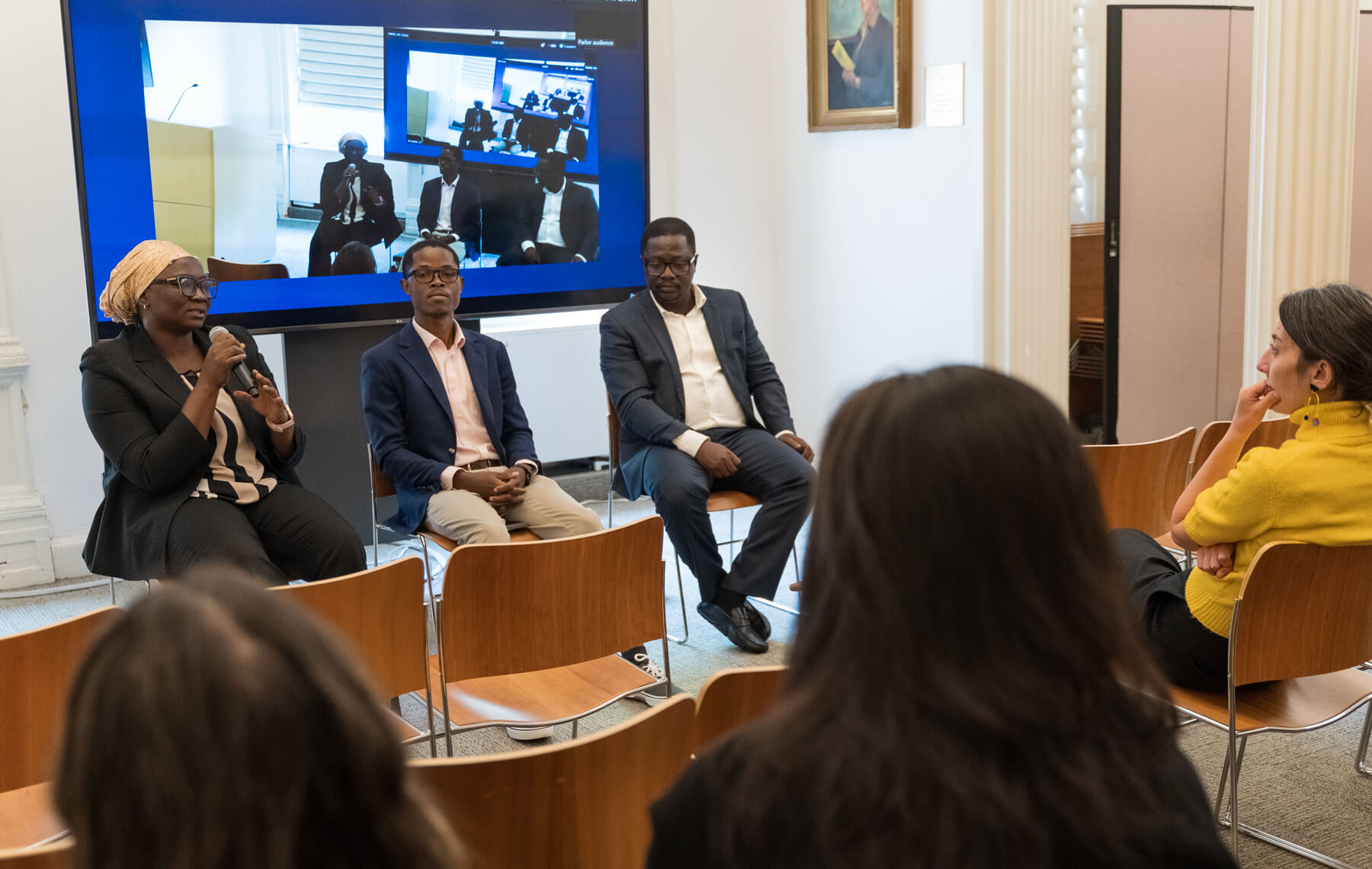
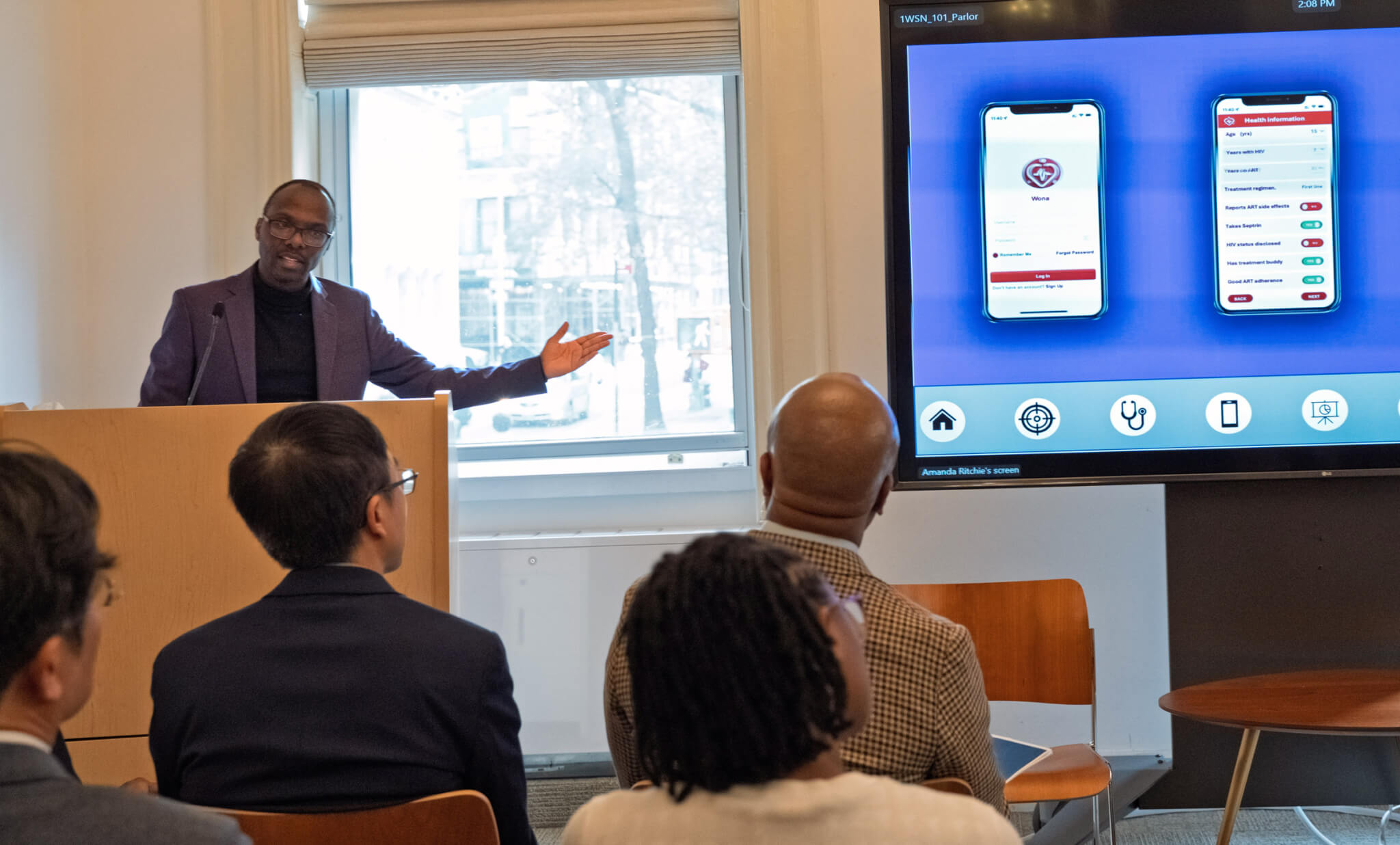
In April 2026, visiting scholars from the ACHIEVE Training Program presented independent research projects focused on enhancing cancer screening among women living with HIV/AIDS, improving diagnosis of infectious disease in children, and leveraging mHealth to improve service delivery for HIV-exposed infants, showcasing life-saving work with the potential to shape health outcomes across Sub-Saharan Africa.
Recognition: Dr. Ssewamala Among World’s Most Influential Scientists
Faculty Director Dr. Fred M. Ssewamala was named among the world’s most influential scientists in the 2025 Stanford/Elsevier citation analysis, ranked in the top 2% of scholars across all scientific fields for both career-long impact and single-year impact (2024). This recognition underscores the global reach and significance of research generated by McSilver.
Dr. Samuel Kizito: Inducted into Uganda National Academy of Sciences
McSilver researcher Dr. Samuel Kizito was inducted as a Fellow of the Uganda National Academy of Sciences in 2025, recognizing his role as a pioneer in evidence-based research on child health and cancer treatment outcomes in Uganda. Dr. Kizito also received a pilot NYU RAISE grant of $10,000 to investigate cancer treatment failure, relapse, and mortality among children with comorbid HIV and cancer in Uganda.
Multidirectional Learning Initiative
Supported by an NYU Provost’s Faculty Research Initiatives Grant ($15,000), Dr. Ssewamala is leading a project on Multidirectional Learning to Address Inequities in Global Health, a model that strengthens research collaboration and learning exchanges between institutions in the Global North and Global South, building capacity in both directions rather than reproducing traditional knowledge hierarchies.
Events & Convenings
News, Events & the McSilver Speaker Series
Inaugural McSilver Speaker Series
In November 2025, the McSilver Institute launched its inaugural McSilver Speaker Series, a platform dedicated to the rigorous intellectual exchange of ideas on issues of poverty, global health, and social equity. The series brings world-class researchers into conversation with practitioners and the public, extending the reach of evidence-based knowledge to new audiences.

| Date of Event | Event Description |
|---|---|
| Nov 19, 2025 |
Training for Impact: Building Global Research ScholarsThe inaugural event featured early-career researchers from NIH-funded training programs sharing their work addressing poverty and global health inequities for children and families in low-resource settings. More |
| Jan 26, 2026 |
A Systems Approach for Expanding Behavioral Health Care to Young Children (TTAC)Dr. Andrew F. Cleek and Meaghan Baier presented TTAC’s expanding work providing training and technical assistance for perinatal and early childhood behavioral health services, including new child welfare partnerships. More |
| Feb 17, 2026 |
Intersecting Inequities: HIV in Vulnerable CommunitiesThree expert panelists explored how structural determinants — poverty, racism, and social vulnerability — shape HIV risk and outcomes, highlighting research innovations that advance more equitable health responses. More |
| Apr 3, 2026 |
Dr. Wen-Jui Han: Precarious Work & Long-Term HealthDr. Wen-Jui Han presented findings showing how unstable work schedules function as a “sticky floor,” producing cumulative health harms borne disproportionately by racial and ethnic minorities and women. More |
| Apr 24, 2026 |
From Screening to Care: ACHIEVE Scholar PresentationsVisiting ACHIEVE scholars showcased independent research on cancer screening, infectious disease diagnosis, and mHealth for HIV-exposed infants in Sub-Saharan Africa. More |
Other Key Events & Convenings
| Date of Event | Event Description |
|---|---|
| Feb 14, 2025 |
Perinatal Mental Health Panel — NYSABPRHALMcSilver joined legislators and advocates in Albany to address disparities in perinatal mental health outcomes. More |
| Feb 20, 2025 |
Maternal Health Mortality ConveningA forum convening policymakers, clinicians, and researchers to develop recommendations on maternal mortality and health equity. |
| Jun 2, 2025 |
McSilver AwardsThe annual awards celebration honored individuals and organizations whose work exemplifies McSilver’s mission of disrupting generational poverty. More |
| Sep 9, 2025 |
Ranked-Choice Voting PanelExperts and advocates discussed RCV’s role in advancing representative democracy and the importance of voter education. More |
| Sep 17, 2025 |
Midwifery PanelA discussion of midwifery’s role in improving birth outcomes and reducing maternal mortality disparities. More |
| Oct 28, 2025 |
TTAC Inaugural Resource Fair — Kimmel CenterA one-stop networking event for perinatal and early childhood providers from across New York City’s five boroughs. More |
| Nov 6, 2025 |
“Reclaiming the Algorithm” SOMOS AI Panel, Puerto RicoDr. Kara Emery and Chris Hemphill co-presented with Assemblymember Emérita Torres on community power in AI governance. More |
| Date of Event | Event Description |
|---|---|
| Nov 13, 2025 |
Mini-Conference on AI and PovertyResearchers, academics, and AI experts joined McSilver, the C+M Silver Center, and NYU Silver School for a day of keynotes and research panels on artificial intelligence and poverty. More |
| Mar 5, 2026 |
From Service to Social Change: A Conversation on the Settlement HousePresented by the Greenwich House, this conversation explored how the settlement house movement shaped public housing reform, strengthened local communities, and helped lay the groundwork for today’s social safety net. Inspired by the release of Betty Boyd Caroli’s book, A Slumless America: Mary K. Simkhovitch and the Dream of Affordable Housing, McSilver engaged the Greenwich House community on evidence-based behavioral health practice and person-centered care. Opening remarks were delivered by Manhattan Borough President Brad Hoylman-Sigal. More |
| Apr 23, 2026 |
Dr. Theresa S. Betancourt: The Power of ResilienceDr. Theresa S. Betancourt, the Salem Professor in Global Practice at Boston College’s School of Social Work shared 22 years of research on youth in Sierra Leone and discussed her book Shadows into Light: A Generation of Former Child Soldiers Comes of Age. More |
| Apr 30, 2026 |
AI Hub: Reclaim the Algorithm (NYC) – What W.E.B. Du Bois Knew That AI Still Doesn’t: A Masterclass in Data Strategy and EthicsHosted in partnership with the NAACP, this New York City convening on community-centered AI oversight and design continued the conversation launched at SOMOS. The event explored the mathematical and racial biases in modern algorithms, highlighting historical data mapping and offering actionable solutions to prevent AI from perpetuating disparities. More |
2025 McSilver Awards
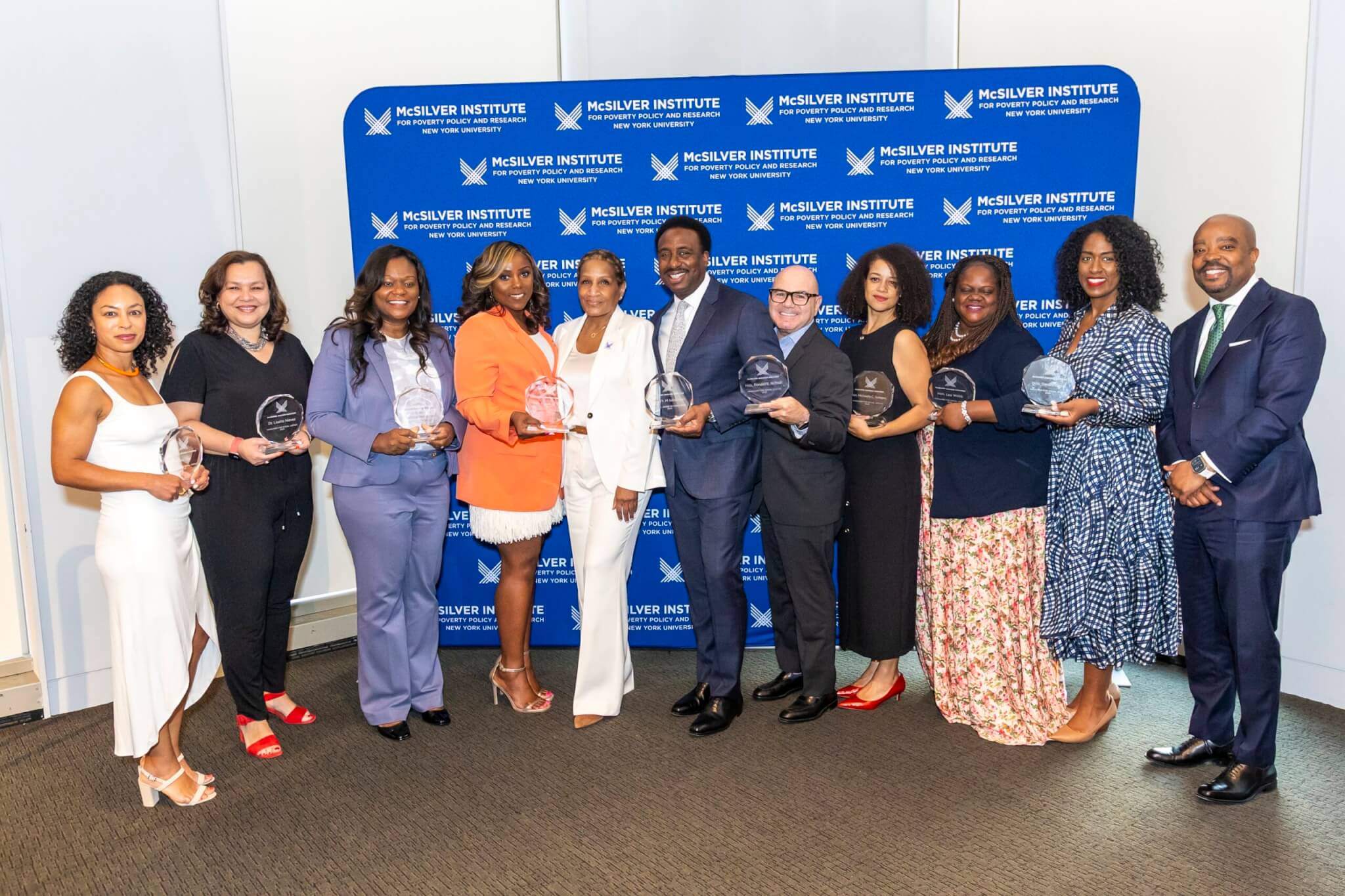
On June 2, over 150 guests gathered at NYU’s Global Center for Academic and Spiritual Life for the ninth McSilver Awards, the Institute’s signature biennial celebration of individuals transforming systems to fight poverty and advance social justice.
This year’s nine honorees reflected the full scope of McSilver’s mission. Nathaniel Fields (Urban Resource Institute) was recognized for his leadership serving survivors of domestic violence and individuals experiencing homelessness. Mara Gay (New York Times Editorial Board, MSNBC) was honored for journalism that elevates the voices of communities too often overlooked in public discourse. Dr. Lisette Nieves (Fund for the City of New York) was recognized for her evidence-driven approach to civic innovation and economic mobility. Hon. Ronald Richter (JCCA) was honored for decades of service to New York’s most vulnerable children and families.
For the first time, McSilver honored a group of elected officials for their commitment to addressing the Black maternal health crisis — an issue the Institute has prioritized as both a research and policy imperative. The five Champions for Black Maternal Health — State Senators Samra G. Brouk and Lea Webb, Assemblymembers Rodneyse Bichotte Hermelyn and Michaelle C. Solages, and NYC Council Member Farah N. Louis — have collectively advanced landmark legislation to reduce maternal mortality and improve birth outcomes for Black women across New York State and City.
Facts & Figures
By the Numbers
Training & Technical Assistance Impact
New Funding in 2025–2026
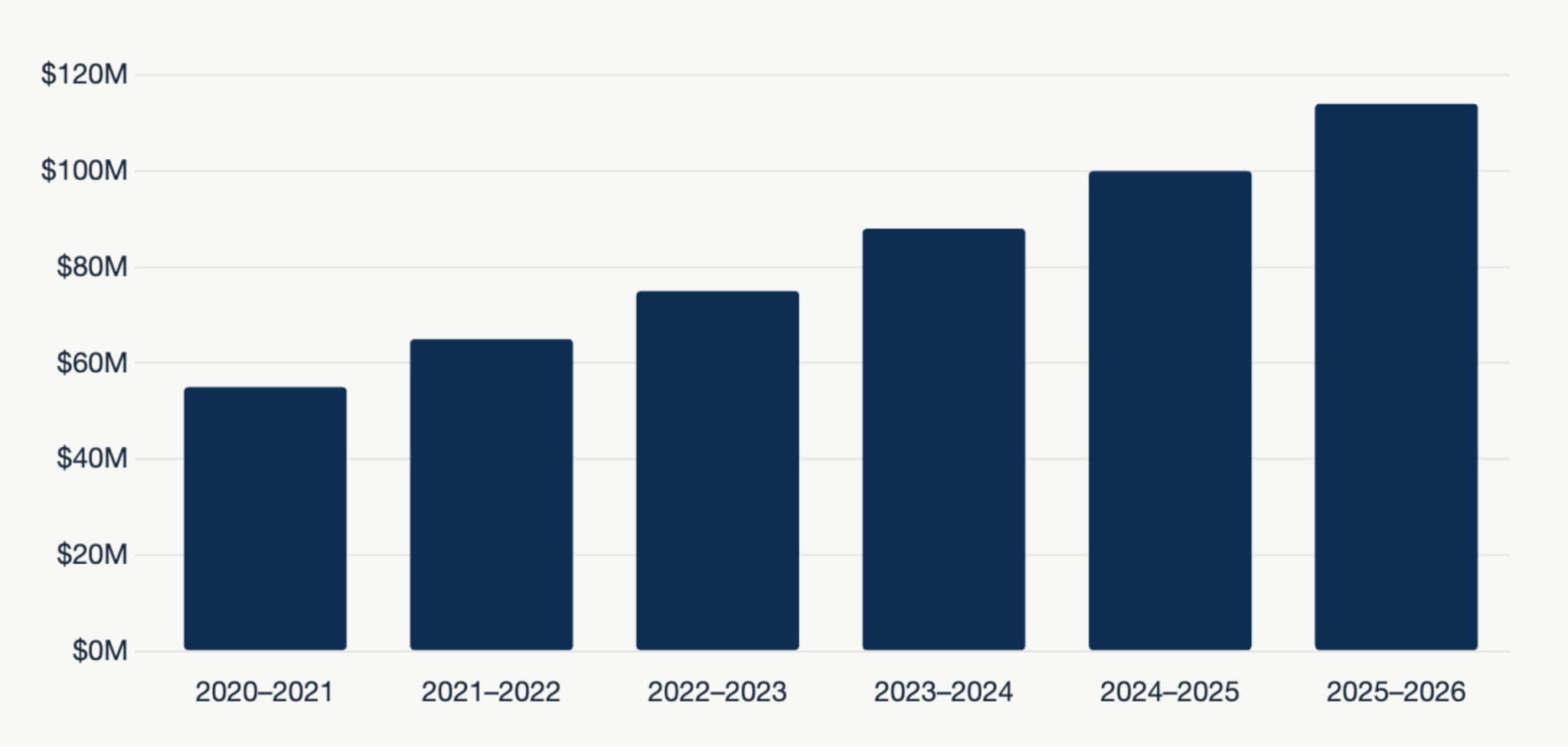
McSilver secured significant new grants and contracts in 2025–2026, expanding the Institute’s research capacity and programmatic reach across the globe and across New York State.
External Funding Overview

Accumulated Annual Funding from 2020-2025
Funders & Partners
Benefactors
- Constance and Martin Silver
Foundations
- Casey Family Programs
- Child Welfare Fund
- Dreiseszun Family Foundation
- Help for Children
- New York Community Trust
- W.T. Grant Foundation
Governmental Agencies
Federal
- National Institutes of Health (NIH)
New York State
- Office of Addiction Services and Supports (OASAS)
- Office of Mental Health (OMH)
- Office of School Health / NYC Department of Education
New York City
- Administration for Children’s Services (ACS)
- New York City Council
- Department of Health & Mental Hygiene
- Manhattan District Attorney’s Office
International
- Ministry of Health, Republic of Uganda
- Ministry of Education and Sports, Republic of Uganda
- Uganda National Council for Science and Technology
- Uganda Virus Research Institute
- Ghana Education Service
- Ghana Health Service
Non-Profits, Academic Institutions & Corporations
Domestic
- Boston College
- Columbia University
- Harvard University / Harvard T.H. Chan School of Public Health / Harvard Medical School
- Hunter College
- NYU Langone Health / Institute for Excellence in Health Equity
- NYU Langone – IDEAS Center
- NYU Law Center on Race, Inequality, and the Law
- NYU Silver School of Social Work
- Rutgers University School of Health Professions
- UCLA
- UCSF
- University of Chicago
- University of Illinois Chicago
- Washington University in St. Louis
Global
- Kenya Institute for Public Policy and Analysis (KIPPRA)
- Kyambogo University
- Makerere University
- Mbarara University of Science & Technology
- Soroti University
- University of Ghana
- University of Kwazulu-Natal
- University of Makeni
- University of Nairobi
- University of Rwanda
Health & Research Centers (Global)
- AfriChild Centre
- BasicNeeds Ghana
- Masaka Catholic Diocese
- Masaka Regional Hospital
- Mildmay Uganda Ltd
- Rakai Health Sciences Program
- Total Life Enhancement Centre Ghana (TOLECGH)
- Uganda Cancer Institute
- UNC Gillings School of Public Health
- Reach the Youth Uganda
Behavioral Health & Service Organizations (Domestic)
- Alliance Health
- Children’s Aid Society
- Coordinated Behavioral Care
- Coordinated Care Services, Inc. (CCSI)
- Families Together & Youth Power of New York State
- FPWA
- Institute for Community Living, Inc.
- Jewish Board of Family & Children’s Services
- Jewish Child Care Association
- NAMI NYC Metro
- Nathan Kline Institute
- New York Center for Child Development
- NYS Coalition for Children’s Behavioral Health
- Services for the Underserved
- SoulPaws Recovery Project
- Urban Resources Institute
- Villa Maria Hospital Community Outreach
Technical Assistance & Policy Partners
- Alamini Creative Group
- Alliance for Rights & Recovery
- Center for Health Care Strategies (CHCS)
- Center for Practice Innovation
- Core Solutions, Inc.
- InUnity Alliance
- Landing Lights Strategies
- Mercer
- New York Alliance for Inclusion & Innovation
- Noxid Group LLC
- Research Foundation for Mental Hygiene
Staff
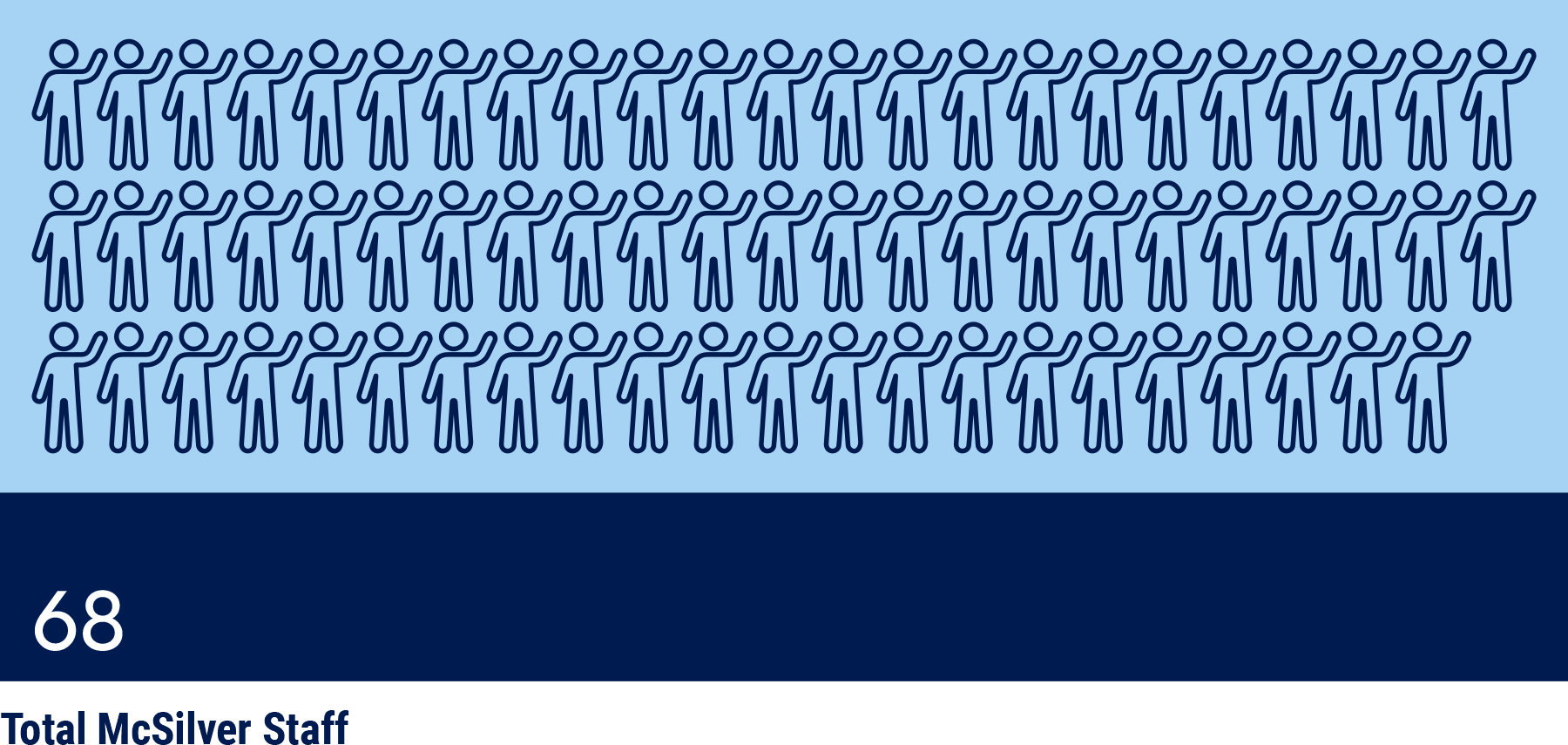
The McSilver Institute’s staff embrace the values of inclusiveness, collaboration, investment in individuals and communities impacted by poverty, translating knowledge into action, and rising together.
Learn more and read staff bios.
Scholarship & Presentations
Selected Publications & Presentations
McSilver faculty and staff continued to produce high-impact scholarship in 2025–2026 spanning HIV, economic empowerment, adolescent mental health, machine learning, maternal health, and behavioral health systems. A selection of recent peer-reviewed publications is listed below.
2026 Publications
- Nabayinda, J., Sensoy Bahar, O., et al. (2026). Acceptability of Suubi+ Adherence intervention to improve ART adherence in Southern Uganda: A qualitative analysis. PLOS One, 21(4), e0347112. doi.org/10.1371/journal.pone.0347112
- Namuwonge, F., Girma, A. Z., Kizito, S., et al. (2026). Adapting a US-based micro-savings program for Uganda: implementation process and lessons learned. Children and Youth Services Review, 108792. doi.org/10.1016/j.childyouth.2026.108792
- Kabarambi, A., Girma, A. Z., Nartey, P., et al. (2026). Correlates of willingness to use pre-exposure prophylaxis (PrEP) among young people impacted by HIV in Uganda. AIDS Care, 1–13. doi.org/10.1080/09540121.2026.2627518
- Ssentumbwe, V., Matovu, F., Namatovu, P., et al. (2026). Using Machine Learning to Predict Depression among Adolescents Living with HIV in Uganda. Global Social Welfare, 1–13. doi.org/10.1007/s40609-026-00456-3
- Konadu Frempong, M. R., et al. (2026). The Impact of Child Emotional and Behavioral Difficulties on Caregivers’ Mental Health: Insights from Families of Children Orphaned by HIV in Southern Uganda. Global Social Welfare, 1–12. doi.org/10.1007/s40609-026-00453-6
- Nakasujja, N., Arinda, A., Nabunya, P., et al. (2026). Knowledge and perception of the implementation of the policy against sexual harassment at Makerere University, Uganda. SN Social Sciences, 6(4), 128. doi.org/10.1007/s43545-026-01408-6
- Childress, S., Shrestha, N., Kreniske, P., et al. (2026). Social stigma and vulnerabilities of women living with HIV/AIDS in Kyrgyzstan: service providers’ perspectives. Families in Society, 107(1), 66–89. doi.org/10.1177/10443894241272203
- Boateng, A., Sensoy Bahar, O., Ibrahim, A., et al. (2026). Impact of COVID-19 on social support among caregivers: A qualitative study. Global Social Welfare. doi.org/10.1007/s40609-026-00441-w
- Nabayinda, J., Nabunya, P., Sensoy Bahar, O., et al. (2026). The direct and indirect pathways through which gender norms influence decision-making autonomy among young women and men in Southern Uganda. Children and Youth Services Review. doi.org/10.1016/j.childyouth.2025.108729
- Brathwaite, R., et al. (2026). Exploring mediators of an economic empowerment intervention (Suubi4Her) on hopelessness and depressive symptoms among adolescent girls in Uganda. Journal of Adolescent Health. doi.org/10.1016/j.jadohealth.2025.11.010
- Sensoy Bahar, O., Laker, P. A., Nassanga, S., et al. (2026). Preliminary impact of the say no to stigma intervention on attitudes toward mental illness: A pilot randomized clinical trial. Children and Youth Services Review, 180, 108636. doi.org/10.1016/j.childyouth.2025.108636
- Solidum, E., Harris, A., Emery, K., & Sheftall, A. H. (2026). Understanding Protective Factors That Impact Adolescent Suicidal Behaviors Across Race/Ethnicity and Sex. Journal of the American Academy of Child & Adolescent Psychiatry. doi.org/10.1016/j.jaac.2026.05.003
- Harris, A., Emery, K., & Sheftall, A. H. (2026). A Doubly Robust Machine Learning Procedure to Estimate Disparities by Race/Ethnicity and Sex in the Relationship Between Adverse Childhood Experiences and Suicidality. Journal of the American Academy of Child & Adolescent Psychiatry. doi.org/10.1016/j.jaac.2026.05.005
2025 Publications
- Witte, S. S., Ssewamala, F. M., Kiyingi, J., et al. (2025). A cluster-randomized controlled trial of a combination HIV risk reduction and economic empowerment intervention for women engaged in sex work in Uganda. Journal of the International AIDS Society, 28(11), e70057. doi.org/10.1002/jia2.70057
- Sensoy Bahar, O., Ssewamala, F., Namuwonge, F., et al. (2025). Caregivers’ perspectives on factors influencing adolescent girls’ engagement in sexual risk-taking in Uganda. PLOS One. doi.org/10.1371/journal.pone.0338724
- Ssewamala, F. M., Tozan, Y., Brathwaite, R., et al. (2025). Cost-Effectiveness of an economic empowerment and family intervention on mental health among school-going adolescent girls in Uganda. American Journal of Public Health.doi.org/10.2105/AJPH.2025.308135
- Kizito, S., Namatovu, P., Namuwonge, F., et al. (2025). Identifying latent profiles of adolescent ART adherence and the factors influencing membership. Global Social Welfare. doi.org/10.1007/s40609-025-00424-3
- Mutumba, M., Ssewamala, F. M., Nabunya, P., et al. (2025). HIV-related stigma and academic outcomes: the mediating role of mental health among adolescents living with HIV in Uganda. AIDS Care. doi.org/10.1080/09540121.2025.2606202
- Kiyingi, J., Ssewamala, F. M., et al. (2025). The effect of an economic empowerment and relationship strengthening intervention on food insecurity among couples living with HIV in Malawi. BMC Public Health, 25, 2860. doi.org/10.1186/s12889-025-23911-w
- Sensoy Bahar, O., et al. (2025). Journey to Saving: A qualitative study of the saving and banking experiences of adolescent girls and their caregivers in Ghana. Journal of Child and Family Studies. doi.org/10.1007/s10826-025-03125-9
- Namuwonge, F., Namatovu, P., Kizito, S., et al. (2025). Beyond the cycle: Investigating the relationship between menstrual hygiene factors, family economic stability, and depression. International Journal of Women’s Health, 4033–4046. doi.org/10.2147/IJWH.S536692
- Kabarambi, A., Kizito, S., Girma, A., et al. (2025). Preliminary impact of public health messaging on HPV vaccine uptake among adolescent girls and young women living with HIV. AIDS and Behavior. 10.1007/s10461-025-04935-0
- Emery, K. J., Islam, M. M., Solidum, E. M., et al. (2025). Racial/Ethnic Disparities in Suicide Attempt Risk in New York City Female Youth. openRxiv. doi.org/10.1101/2025.06.02.25327628
- Liu, J., Ssewamala, F. M., An, R., & Ji, M. (2025). Use of Automated Machine Learning to Detect Undiagnosed Diabetes in US Adults. JMIR AI, 4(1), e68260. doi.org/10.2196/68260
- Tutlam, N. T., et al. (2025). Type I hybrid effectiveness-implementation RCT to address intergenerational impact of war trauma among second-generation refugee children in the USA. BMJ Open, 15(10), e108824. doi.org/10.1136/bmjopen-2025-108824
- Lengnick-Hall, R., Hoagwood, K., Cleek, A., Baier, M., et al. (2025). A scoping review of state-sponsored mental health training programs for children and youth. Children and Youth Services Review, 179. doi.org/10.1016/j.childyouth.2025.108598
- Najjuuko, C., Brathwaite, R., Mutumba, M., et al. (2025). Identifying Predictors of Problematic Substance Use Among Youth Living with HIV in Uganda: A Machine Learning Approach. AIDS and Behavior, 1–12. doi.org/10.1007/s10461-025-04840-6
- Nabayinda, J., et al. (2025). “He is a guest in my house”: Exploring barriers to asset development and decision-making autonomy among adolescent girls transitioning into young women in Southern Uganda. The Journal of International Development, 37(7), 1543–1554. doi.org/10.1002/jid.70022
Selected Presentations
- Ssewamala, F. M. (December 2025). Multidimensional Poverty and Global Health Equity: Lessons from 20 Years of Global Research. NYU Langone Department of Population Health Grand Rounds.
- Ssewamala, F. M. (April 2026). From Evidence to Scale: The Cost-Effectiveness of Asset-based Economic Empowerment Interventions for Child Development and Mental Health. University of Chicago Global Child Mental Health Symposium.
- Sensoy Bahar, O. (December 2025). Child Labor at the Intersection of Poverty, Migration and Gender. NYU Silver School Works in Progress.
- Rodriguez, J. (November 2025). Connection Cures: Healing Through Relationship and Community. Keynote, Baltic Street Wellness Solutions Symposium 2.0, Saratoga Springs.
- Rodriguez, J. & Garlock, J. (December 2025). From Trauma Informed to Trauma Responsive Systems: Welcome to STARS. Annual Conference of the NYS Coalition for Children’s Behavioral Health, Saratoga Springs.
- Emery, K. J. (April 2025). Racial/Ethnic Disparities in Suicide Attempt Risk in Urban Female Youth. American Foundation for Suicide Prevention Suicide Research Symposium.
- Harris, A. (2025). A Doubly Robust Machine Learning Approach to Estimate Disparities in the Relationship Between ACEs and Suicidality. International Summit on Suicide Research.
- Franco, L. & Dean-Assael, K. M. (November 2025). CTAC: Training and Educational Resources for Mental Health Providers. NYS Conference of Local Mental Hygiene Directors (CLMHD).
- Cervantes, P. E., Fuss, A. A., et al. (December 2025). Piloting a Universal Electronic Youth Mental Health Screening Instrument in State Supported Outpatient Clinics. 18th Annual Conference on the Science of Dissemination and Implementation. [Poster]
- AI Hub Team. (2025). Suicide Risk Dashboard. Tech Venture Summit. [Poster]
- Ssewamala, F. M. (May 2026). The Suubi+Adherence4Youth Study: A Multi-Site Factorial Experiment in Uganda. NYU CADIO Webinar Series.
- Emery, K. J. (March 2026). Women in Urban Panel Discussion. AUSA Career Series.
- AI Hub Team. (April 2026). Suicide Risk Dashboard. NYU Public Interest Technology Pop-Up. [Demo]
- Emery, K. J., Falk, J., & Pierre-Louis, R. (April 2026). Democratizing Access to Data Science and AI for Suicide Prevention. NYS Public Health Partnership Conference 2026. [Poster]
- Emery, K. J. (April 2026). Understanding Protective Factors That Impact Adolescent Suicidal Behaviors Across Race/Ethnicity and Sex. American Foundation for Suicide Prevention Suicide Research Symposium.
Connect with McSilver
Interested in learning more about the McSilver Institute? Sign up for email updates, contact us at mcsilver@nyu.edu, or follow McSilver on social media:
LinkedIn | Facebook | Instagram | YouTube
Consider donating to support our anti-poverty mission.